Choose Electronics Recycling Services for Eco Disposal
Green Initiatives: How E-Waste Recycling Services Are Protecting Our Planet
E-waste represents a considerable hazard to the environment, as disposed electronics frequently harbor hazardous substances. Such dangerous compounds can pollute soil and water supplies, resulting in widespread environmental harm. Electronic waste recycling programs offer an effective remedy. They successfully retrieve useful resources while simultaneously minimizing environmental pollution. Understanding how these services operate and their impact on communities is essential. The path to successful electronic waste management prompts vital discussions about personal accountability and communal efforts. What actions should be considered going forward?
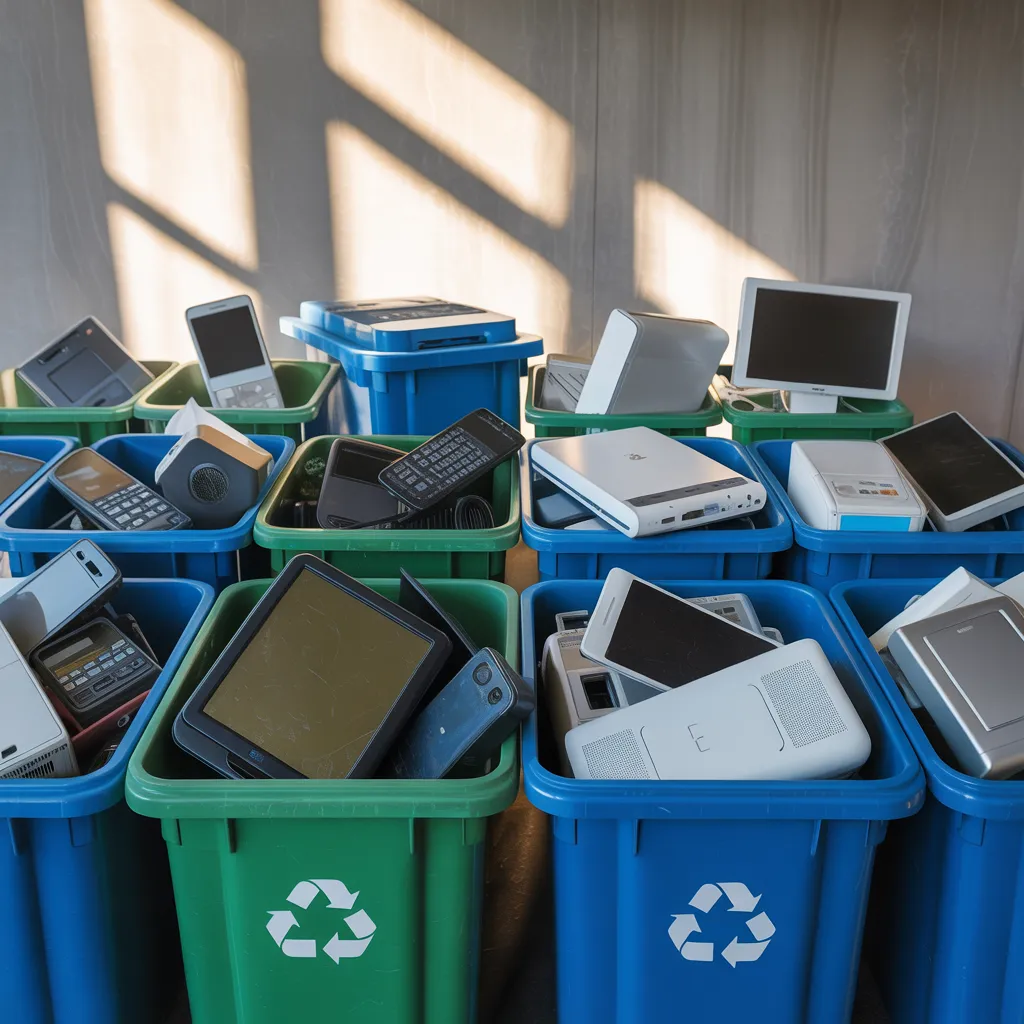
Why Electronic Waste Is Harmful to the Planet
Even though technological advancements improve modern life, electronic waste presents serious threats to the environment. Discarded electronic devices, commonly laden with hazardous materials such as mercury, lead, and cadmium, can leach toxins into groundwater and soil, presenting dangers to human health and ecosystems. The accelerating rate of technological innovation results in increased consumer turnover of electronics, intensifying the growing problem of discarded electronic materials.
Landfills, already strained by waste, are unable to keep up with the rising quantities of abandoned electronics. Incineration, a common waste management technique, emits dangerous pollutants into the environment, degrading atmospheric conditions. Furthermore, inadequate recycling methods can result in the shipment of electronic waste to underdeveloped nations, where workers may break down equipment without proper protective measures, putting themselves at risk of exposure to hazardous materials. This ongoing cycle of carelessness and inadequate management See it here emphasizes the pressing necessity for responsible recycling initiatives that can lessen the harmful consequences of e-waste on our world.
Understanding E-Waste and Its Significance
E-waste, also referred to as electronic waste, comprises unwanted electronic equipment such as smartphones, computers, and televisions that have reached the end of their useful life. This increasingly prevalent form of waste is important because of its swift buildup, driven by technological advancements and consumer trends. As more devices become obsolete, the environmental impact intensifies, with harmful substances like lead, mercury, and cadmium threatening both ecosystems and public health.
The importance of addressing e-waste lies not only in mitigating these hazards but also in recognizing the valuable materials it contains. Precious metals and rare earth elements can be recovered and reused, reducing the need for mining and conserving natural resources. By understanding e-waste and its implications, individuals and organizations can make informed decisions about disposal and recycling, ultimately contributing to a more sustainable future. Effective handling of e-waste is vital for encouraging a circular economy and advancing environmental responsibility.
How E-Waste Recycling Works
Recycling e-waste involves a structured approach aimed at reclaiming useful resources while minimizing environmental impact. Initially, electronic waste is gathered and delivered to specialized recycling facilities. Once there, the equipment is meticulously organized to distinguish harmful elements from reusable resources.
Following this, technicians break down the items, removing glass, metals, and plastics. This phase is essential, as it allows for the recovery of rare metals like gold, silver, and copper, which can be reused in new electronics.
Subsequently, the sorted materials are processed through advanced techniques, such as shredding and specialized chemical treatments, to prepare them for further use.
Finally, the residual hazardous materials are disposed of responsibly, adhering to environmental regulations. This comprehensive process not only conserves resources but also minimizes the hazards linked to unsafe e-waste handling, ensuring a more sustainable future for electronic consumption.
Benefits of E-Waste Recycling for You and Your Community
While many individuals may not realize it, the positive effects of e-waste recycling extend beyond personal convenience to positively impact entire communities. By properly recycling electronic waste, individuals play a role in creating a safer environment, minimizing hazardous materials that can contaminate soil and water. This proactive approach actively safeguards local ecosystems and supports public health.
Additionally, e-waste recycling promotes the creation of jobs in communities. Local recycling facilities often require personnel for numerous tasks, including collection and processing, consequently creating meaningful employment for local residents. This not only enhances the community economy but also fosters community involvement in eco-friendly practices.
In addition, familiarity with e-waste recycling may result in awareness campaigns, enabling residents to embrace sustainable practices. By taking part in e-waste recycling programs, individuals promote a culture of sustainability, encouraging others to do the same. Overall, the cumulative impact of these actions can contribute to a more strong and environmentally aware community.
Tips for Choosing an E-Waste Recycling Service
Picking the right e-waste disposal service is essential for ensuring that e-waste is processed with responsibility and sustainability. Initially, consumers should confirm the service's accreditations, such as e-Stewards or R2, which signify conformance to professional guidelines for responsible recycling methods. Additionally, it is advisable to assess the provider's credibility by reviewing feedback and obtaining recommendations from trusted sources.
Next, openness in the recycling process is crucial. A reliable company should provide clear information about the way e-waste is handled and what becomes of the materials. Additionally, assessing the variety of services available can be advantageous; some companies may provide pickup services or offer incentives for recycling.
Ultimately, familiarizing yourself with local regulations regarding e-waste disposal can additionally influence the choice of disposal method. By prioritizing these factors, people are able to support responsible e-waste disposal while supporting sustainable environmental efforts.
How You Can Get Involved in E-Waste Recycling?
Participating in e-waste recycling can start at the local level, where recycling centers frequently offer essential services for responsible disposal. Additionally, taking part in community awareness campaigns can amplify efforts to inform others regarding the importance of responsible e-waste management. These actions not only encourage sustainable practices but also build a collective sense of responsibility toward the environment.
Area Recycling Stations
A wide range of neighborhood recycling stations fulfill a critical purpose in recycling electronic waste, providing communities with accessible options to manage electronic waste appropriately. These centers accept a range of electronic devices, including used computers, handheld devices, and televisions, verifying that toxic materials are disposed of safely. Many hubs feature knowledgeable personnel who help individuals navigate appropriate disposal procedures, highlighting the value of recycling rather than landfilling. Moreover, various hubs coordinate scheduled drop-off occasions or specific collection dates, allowing residents to take part with ease. By taking advantage of these neighborhood resources, community members advance a circular economy, lowering environmental harm and encouraging sustainable habits. Working alongside these hubs enables communities to combat e-waste pollution successfully.
Community Outreach Campaigns
Nearby organizations, schools, and enterprises can partner to arrange initiatives that encourage e-waste collection drives. Community members can serve a critical function in spreading awareness, distributing educational materials, and engaging with the community. As a result of these combined actions, residents become more informed and motivated to recycle their electronic waste, ultimately contributing to a more sustainable future.
Common Questions and Answers
What Kinds of Electronics Can Be Recycled?
Many different electronics can be recycled, including computers, smartphones, televisions, laptops, gaming consoles, and printers. Furthermore, peripherals such as mice, keyboards, and batteries are well-suited for recycling, aiding in eco-friendly conservation initiatives.
Is There a Cost Associated With E-Waste Recycling?
Indeed, electronic waste recycling may involve fees, depending on the service provider. Some facilities apply costs for collection or processing, while others make services available at no charge, often subsidized by the proceeds from salvaged materials.
How Can Businesses Benefit From E-Waste Recycling?
Organizations can gain from e-waste recycling by minimizing disposal costs, enhancing their environmental image, adhering to regulatory requirements, reclaiming useful materials, and creating potential earnings via resale, thus supporting a greener and more sustainable operational framework.
What Occurs with Data on Recycled Devices?
Information regarding repurposed devices is often irretrievably wiped or obliterated during processing. This guarantees private details stays protected, stopping improper access while enabling resources to be reused carefully and ethically across new manufacturing processes.
Are Broken Electronics Eligible for Recycling?
Yes, damaged electronics may be recycled. Several collection points receive broken devices, guaranteeing responsible disposal and retrieval of precious materials. This effort helps minimize environmental impact while encouraging sustainable recycling habits to manage electrical waste responsibly.